Reliable Animal Removal Options You Will Trust
Professional animal removal programs offer homeowners a sound way to cope with wildlife complications. These programs utilize specialized knowledge and humane practices to combat infestations productively. A thorough inspection unearths deficiencies in dwellings, safeguarding that not only are existing complications resolved, but future hazards are mitigated as well. Appreciating the process and its rewards is imperative for homeowners facing these predicaments. What criteria should be weighed when appointing a trustworthy service?
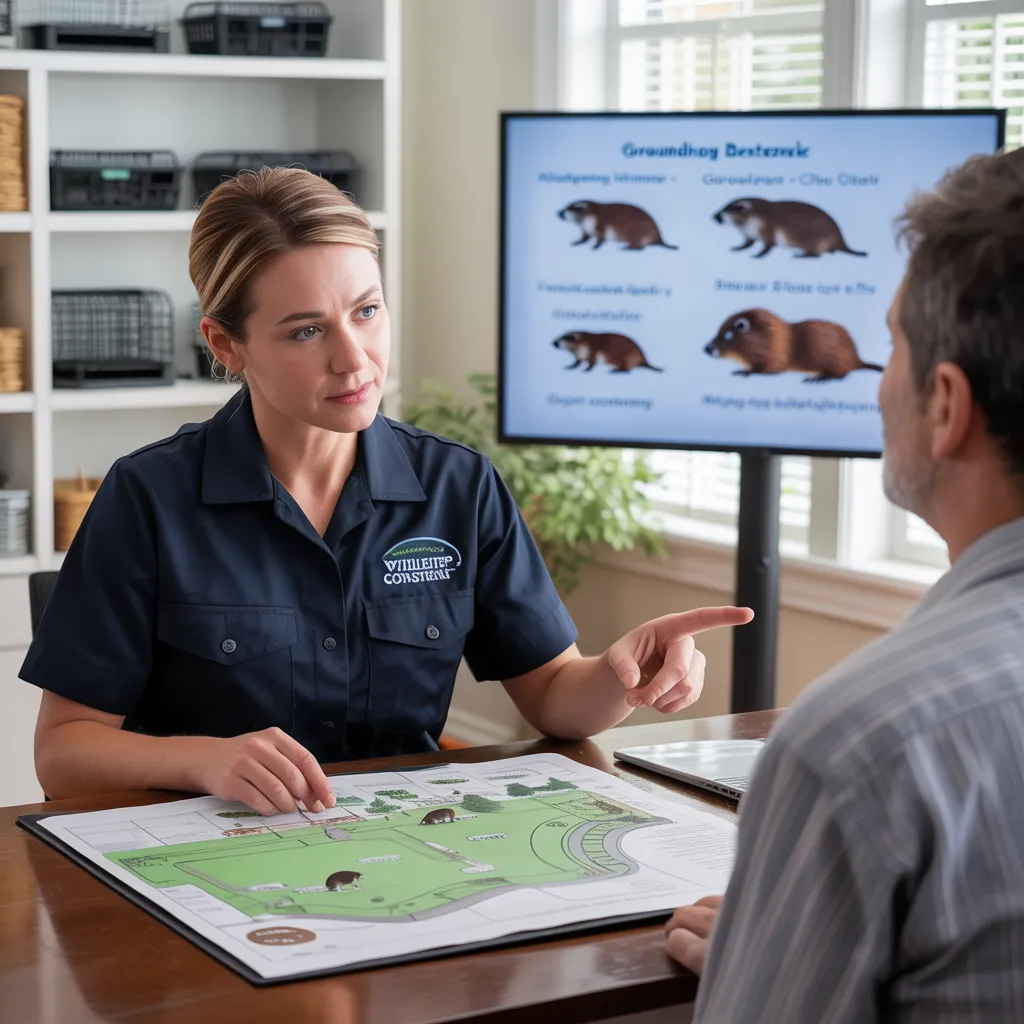
Why Professional Animal Extraction Is Essential
While many property owners may attempt to manage wildlife problems on their own, the importance of professional animal removal cannot be overstated. Professionals have expert expertise and tools that guarantee the safe and humane removal of unwanted animals. Trying DIY solutions can result in further complications, such as injury to both the homeowner and the animal, as well as potential legal repercussions.
Additionally, experts can recognize access routes and underlying issues, preventing subsequent invasions. They also comprehend local wildlife laws, guaranteeing adherence during the removal process. Effective animal control not only safeguards the residence but also preserves the health of its residents by minimizing the danger of pathogen spread. By relying on professionals, homeowners can focus on their daily lives, understanding that the issue is being managed efficiently and responsibly. In this way, professional animal control functions as an essential investment in maintaining a safe and wholesome living environment.
Indicators You Should Consider Animal Removal Services
Identifying the clues that indicate a necessity for animal removal services is crucial for maintaining a safe home environment. Homeowners should be attentive for unusual noises in attics or walls, which may suggest the presence of pests. Furthermore, unexplained damage to property, such as gnawed wires or chewed furniture, can be a clear indication of an animal infestation.
Locating droppings or trails near the residence is another sign that expert intervention might be necessary. Bad smells, often caused by creature remnants or dead animals, can also point to a serious issue. Furthermore, views of wildlife in or around the property, especially during the daytime, may indicate that animals are encroaching on living spaces. Prompt attention to these signs can prevent more major problems and ensure the safety and comfort of the residence. Calling professionals at the first hint of trouble can reduce risks and restore peace of mind.
How to Select the Most Suitable Animal Removal Company
How can property owners ensure they choose the right wildlife control company? First, they should research local alternatives and review online reviews. Positive testimonials can demonstrate a company's trustworthiness and effectiveness. Additionally, confirming qualifications is crucial; licensed and insured professionals are more likely to adhere to professional guidelines and safety protocols.
Homeowners should also inquire into the ways used for animal removal. Responsible conduct are important, verifying that animals are handled humanely and with safety. A credible company will supply clear guidance about their strategies and follow-up services.
Moreover, gathering multiple quotes can help homeowners evaluate pricing and service options. Transparent pricing practices is essential to avoid unexpected costs. Finally, review the company's experience; seasoned companies often demonstrate a proven track record in addressing diverse animal problems. By adhering to these guidelines, homeowners can assuredly determine a trustworthy animal removal service.
How Expert Animal Removal Operates
Selecting the right wildlife control firm helps homeowners comprehend the intricacies of professional animal removal services. Initially, skilled technicians undertake a exhaustive inspection of the site to uncover manifestations of animal activity and likely entry points. This copyrightination is critical for designing an successful removal plan.
Next, humane traps or exclusion techniques are deployed, making certain that animals are captured without injury. Expert technicians focus on humane and responsible approaches, decreasing stress for the animals involved. Once removed, the technicians address the original entry points to avoid future invasions.
Additionally, cleanup and sanitation are integral aspects of the process, as they help remove further information odors and potential health risks. This extensive approach not only addresses the immediate issue but also informs homeowners about maintaining a wildlife-free environment. Ultimately, professional animal removal integrates expertise, ethical practices, and preventive measures, ensuring a successful resolution to wildlife challenges.
What to Anticipate After Specialized Animal Exclusion?
After professional animal removal, homeowners can expect a follow-up inspection schedule to ensure the area remains secure. Additionally, the deployment of preventive measures will be reviewed to avoid subsequent pest problems. These steps are crucial for maintaining a safe and animal-free environment.
Follow-Up Assessment Plan
What can one expect during the later inspection procedure after qualified animal removal? Normally, this involves a in-depth assessment of the area to verify that no animals are present and that any entry points have been adequately sealed. Professionals will scrutinize potential nesting sites and assess the effectiveness of past removal efforts. They may also check for signs of damage caused by the animals, such as gnaw marks or droppings.
The inspector will document findings and might recommend further actions if necessary. This inspection frequently serves as a reassurance to homeowners, verifying that the space is animal-free and secure. Periodic follow-up checks can be vital in maintaining a environment free of pests and identifying any emerging issues quickly.
Prevention Methods Executed
After fruitfully removing animals, protective measures play an essential role in protecting the property against future infestations. Professionals commonly use a complete approach that starts with a meticulous inspection of the property to identify potential entry points and weak spots. Common actions like sealing cracks, installing screens, and reinforcing vents are done to discourage animals from coming back. Moreover, landscaping changes such as trimming excessive vegetation and managing food sources assist in reducing attractants. Regular upkeep and monitoring are encouraged to maintain the effectiveness of these strategies. Property owners might also get advice on best practices, like proper waste disposal and securing pet food. By carefully tackling these concerns, the risk of re-infestation is noticeably minimized, ensuring a safer and more secure environment.
Measures to Avoid Potential Animal Issues
Preventing upcoming wildlife problems requires proactive steps and a keen eye for possible entry places. Homeowners ought to routinely inspect their properties for cracks in foundations, attics, and vents, sealing any openings to discourage animal intrusion. Proper care of landscaping is vital; overgrown vegetation can provide habitat for pests. Additionally, securely storing food and garbage in wildlife-proof containers reduces attraction to wildlife.
Installing fencing can also act as a warning, especially around gardens or livestock areas. It is vital to keep outdoor spaces neat by removing debris and clutter that may accommodate animals. Educating family members about wildlife awareness and the importance of noting observations can promote a preventative mindset. Ultimately, ongoing monitoring and care of the land produce an unwelcoming environment for wildlife, greatly limiting the likelihood of recurring invasions and providing peace of mind for homeowners.

Popular Posed Questions
Are Wildlife Exclusion Services Covered by Homeowners Insurance?
Animal removal services could be included by homeowners insurance, based on the policy specifics. Homeowners should check their coverage details or consult with their insurance provider to determine eligibility for reimbursement related to wildlife removal.
What Categories of Animals Do Professional Services Extract?
Professional services typically remove a range of wildlife, such as raccoons, squirrels, bats, skunks, snakes, and birds. Each species demands specialized techniques to guarantee safe and humane removal from domestic or commercial properties.
What Period Should You Expect for the Animal Removal Process?
Animal extraction typically takes anywhere from one to several hours, contingent on the type of creature involved and the level of difficulty of the scenario. Position and how easily accessible the area is will also impact the overall duration.
Does Animal Removal Hurt the Animals Getting Extracted?
Animal elimination procedures are designed to reduce damage, concentrating on secure transfer rather than harm. Trusted companies prioritize compassionate techniques, ensuring that animals are handled carefully and placed back in appropriate environments whenever feasible.
Should I Attempt DIY Animal Control Before Contacting Professionals?
Undertaking DIY pest removal efforts is risky and could lead to unwanted injury for both the animals and the individual performing the task. Specialists recommend thoroughly assessing the situation before deciding to contact professional assistance.